


Construction Project Management
- Home |
- Construction Project Management
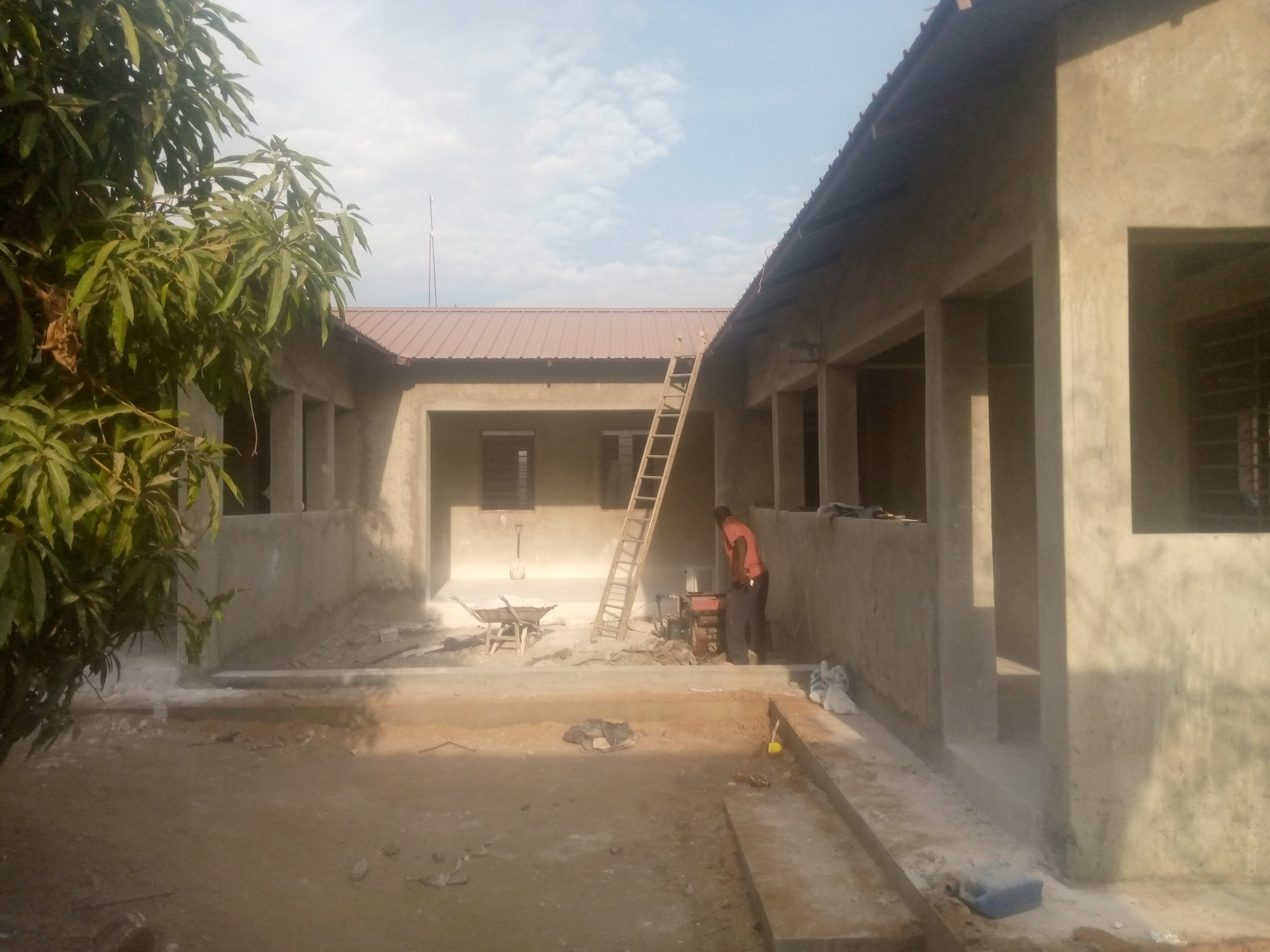
Construction project management (CPM) is the process of planning, coordinating, and overseeing a construction project from inception to completion. It involves managing all the elements of a project, including the scope, budget, schedule, quality, resources, and stakeholders. The goal of construction project management is to deliver the project successfully while meeting or exceeding expectations in terms of cost, time, and quality.
Project Planning
The planning phase sets the foundation for the entire project. Proper planning helps ensure that resources, timelines, and costs are well-managed throughout the construction process. Key Activities in Planning include:
- Scope Definition: The scope defines the boundaries of the project, including the deliverables, objectives, and specific requirements (such as design, materials, and quality).
- Budgeting and Estimating: A detailed project budget is created, often including estimates of direct costs (materials, labor, equipment) and indirect costs (overheads, contingency, permits).
- Scheduling: A timeline is created, outlining when each task or phase of the project will begin and end. This includes setting milestones and establishing a critical path.
- Risk Management: Identify potential risks (e.g., delays, cost overruns, safety issues) and develop strategies for mitigating those risks.
Design and Pre-Construction
In this phase, the final designs are developed, and the groundwork is laid for construction. Key Activities in Design and Pre-Construction include:
- Final Design: The project’s architectural and engineering designs are finalized. This phase includes detailed drawings, material specifications, and construction techniques.
- Contractor Selection: Depending on the procurement method, contractors and subcontractors are selected through a bidding process or negotiation.
- Procurement of Materials: Materials and equipment are sourced, and vendors are selected.
- Permits and Approvals: Necessary permits and regulatory approvals are obtained from local authorities to ensure compliance with building codes and regulations.
Monitoring and Quality Control
Effective project monitoring and control ensure that the project stays on track in terms of budget, schedule, and quality. Key Activities in Monitoring and Quality Control include:
- Progress Tracking: Regular site visits, progress reports, and meetings with contractors help track the project’s progress.
- Budget Control: The project manager closely monitors expenses to ensure that the project remains within budget. If costs exceed estimates, corrective actions are taken.
- Schedule Control: The project manager ensures that the project is progressing as planned. If delays occur, strategies like re-sequencing tasks or adjusting resources may be used.
- Risk Management: Risks identified during the planning phase are continuously monitored, and the project manager adjusts the plan to mitigate any new risks that arise during construction.
- Quality Assurance: Ensuring that quality standards are consistently met through inspections and testing is key. Non-compliance issues are identified and resolved promptly.
Project Closure & Handover
Once construction is completed, the project is closed out. The project manager ensures that all aspects of the work are finished, and the client is satisfied with the results. Key Activities During Project Closure include:
- Final Inspections and Punch Lists: A final inspection is conducted to ensure that all work has been completed according to the contract specifications. Any outstanding items or defects are noted on a punch list and corrected.
- Handover to the Client: The completed project is handed over to the client. This may include providing operational manuals, warranties, and training.
- Financial Closeout: All final payments are made, and financial records are finalized. This includes ensuring that all contractors and vendors are paid and that any remaining contingencies are accounted for.
- Post-Construction Support: After handover, the construction manager may offer post-construction support, including warranty services or assistance with the building’s operation and maintenance.
- Our skilled professionals bring years of experience a
- We are the leading construction company in the industry.
- Our transparent pricing ensures no hidden fees or surprises.
- We adhere to strict safety standards on all job sites.
Commonly Asked Questions
Are you licensed and insured?
Yes, we are fully licensed and insured, ensuring that your project is protected and complies with all local regulations.
Do you offer free estimates?
Yes, we offer free consultations and estimates to help you understand your project’s costs before you commit.
How long will my project take?
The timeline depends on the project's size and complexity. We provide a detailed schedule during the planning phase to keep you informed.